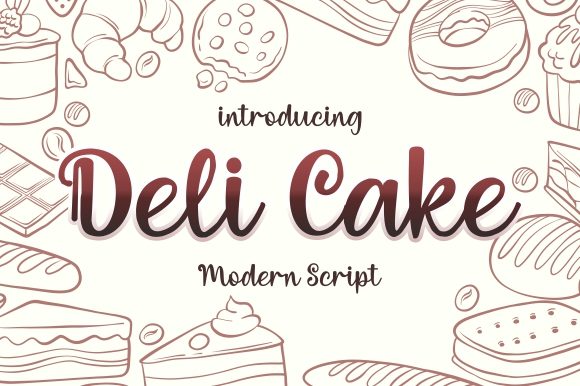
Deli Cake: A Handwritten Font for Digital Design
In the crowded landscape of web design, typography often serves as the primary differentiator between a forgettable template and a memorable brand experience. As digital creators, we constantly search for typefaces that balance personality with performance. Deli Cake, a flowing handwritten font from Script Amp, offers a distinct solution for designers seeking to inject warmth and elegance into their digital products. Unlike rigid geometric sans serifs or traditional serif fonts, this script font brings a human touch to screens, making it an ideal choice for projects that rely on emotional connection and visual storytelling.
Visual Personality and Digital Appeal
The core strength of Deli Cake lies in its organic flow. It mimics the natural rhythm of handwriting, featuring smooth connections and elegant curves that feel both timeless and modern. For UI designers, this means the font carries an inherent sense of approachability. When used in hero sections or landing page headers, it breaks the monotony of standard web typography. The font’s style is not merely decorative; it communicates a specific brand tone—one that is sophisticated yet inviting. This makes it particularly effective for brands that want to appear premium without seeming cold or corporate.
However, the appeal of a handwritten font extends beyond aesthetics. In conversion-focused layouts, typography guides the user’s eye. Deli Cake’s distinct letterforms create strong visual anchors. When placed strategically, it draws attention to key messages, helping users scan content more effectively. This is crucial for digital readability, where users often skim rather than read deeply. By using this font for high-impact areas, you establish a clear visual hierarchy that prioritizes your most important value propositions.
Strategic Placement in Web Layouts
Knowing where to deploy a display font like Deli Cake is essential for maintaining usability. It is not designed for body copy or long-form text. Instead, it thrives in short, impactful contexts. Consider using it for:
- Hero Section Headlines: Capture immediate attention on landing pages with a large, elegant title that sets the mood.
- Call-to-Action Areas: Use it sparingly on buttons or near CTAs to add a personal touch to conversion points.
- Section Dividers: Break up content blocks with stylized subheadings that maintain narrative flow.
- Logo Text: For boutique online stores or creative portfolios, the font can serve as the foundation of a unique logotype.
- Digital Ads and Banners: Stand out in social media graphics and display ads where visual distinctiveness is key.
For example, a coaching website might use Deli Cake for the main headline to convey empathy and personal guidance, while a boutique online store could use it for product category titles to evoke craftsmanship and care. In each case, the font supports the brand identity by reinforcing the intended emotional response.
Readability and Responsive Considerations
While Deli Cake is visually striking, its legibility depends heavily on context. Handwritten fonts can become difficult to read at small sizes or on low-resolution screens. As a web designer, you must account for responsive layouts. On mobile devices, ensure that the font size is large enough to maintain clarity. Avoid using it for navigation menus or footer links where space is limited and quick scanning is necessary.
Contrast is another critical factor. Deli Cake performs best against clean, uncluttered backgrounds. On dark backgrounds, ensure sufficient weight and spacing to prevent the delicate curves from disappearing. When overlaying text on images, use solid color blocks or gradients behind the text to preserve readability. Testing across various devices is non-negotiable; what looks elegant on a desktop monitor may appear cramped on a smartphone screen. Adjust line height and letter spacing to optimize the rhythm of the text for different viewports.
Effective Font Pairing Strategies
To maximize the impact of Deli Cake, pair it with complementary typefaces. Since it is a decorative script font, it requires a neutral partner for body copy. A clean sans serif font is often the best choice, providing a modern counterpoint that enhances readability without competing for attention. This combination works well for SaaS founders and tech startups who want to add a human element to their otherwise functional interfaces.
Alternatively, pairing Deli Cake with a classic serif font can create an editorial design feel, suitable for blogs, magazines, or luxury brand websites. The contrast between the flowing script and the structured serif adds depth and sophistication to the layout. The key is balance: let Deli Cake shine in headlines and accents, while relying on the secondary font for information density. This approach ensures that your brand identity remains consistent and professional across all digital touchpoints.
Technical Implementation and Licensing
Before integrating Deli Cake into your project, review the technical specifications provided by Script Amp. Check for available file formats, such as OTF, TTF, or WOFF, to ensure compatibility with your web development stack. Verify if the font includes alternates or ligatures that can enhance its natural look. Multilingual support is also worth checking if you are designing for global audiences.
Crucially, understand the licensing terms. Commercial font licensing varies depending on usage. If you are building a website for a client, creating digital templates for sale, or running an online store, ensure you have the appropriate license for web embedding and commercial use. Investing in the correct license protects your work and supports the creators behind these design assets. Always keep documentation of your licenses for future reference, especially when handing off projects to clients or updating digital brand kits.
By thoughtfully incorporating Deli Cake into your design system, you elevate the visual quality of your digital products. It is more than just a font; it is a tool for crafting engaging, human-centered web experiences that resonate with users and drive meaningful interactions.